A comfortable and well-protected home provides a safe environment where families can relax and enjoy their daily lives. However, maintaining a home requires attention to different areas, including insulation, moisture control, ventilation, and regular maintenance. Small problems can affect indoor comfort, increase energy costs, and cause damage over time if they are ignored. Taking the right steps can help homeowners create a healthier living space while protecting their property. From improving insulation to maintaining essential home systems, several solutions can make a noticeable difference.
Attic Insulation: Improving Indoor Comfort and Energy Efficiency
Proper attic insulation plays an important role in maintaining comfortable indoor temperatures throughout the year. Good insulation helps prevent unwanted heat from entering during warmer months and reduces heat loss during colder weather. Homeowners looking for attic insulation to cool home interiors can benefit from choosing suitable insulation materials and ensuring they are installed correctly. This can help reduce the pressure on heating and cooling systems while supporting better energy efficiency.
It is also important to check the attic for damaged or missing insulation. Air leaks around vents, pipes, and other openings should be sealed to prevent temperature changes. Proper ventilation is equally important because it allows excess heat and moisture to escape. Together, these improvements can make different areas of the home more comfortable.
Crawl Space Encapsulation: Protecting the Home from Moisture
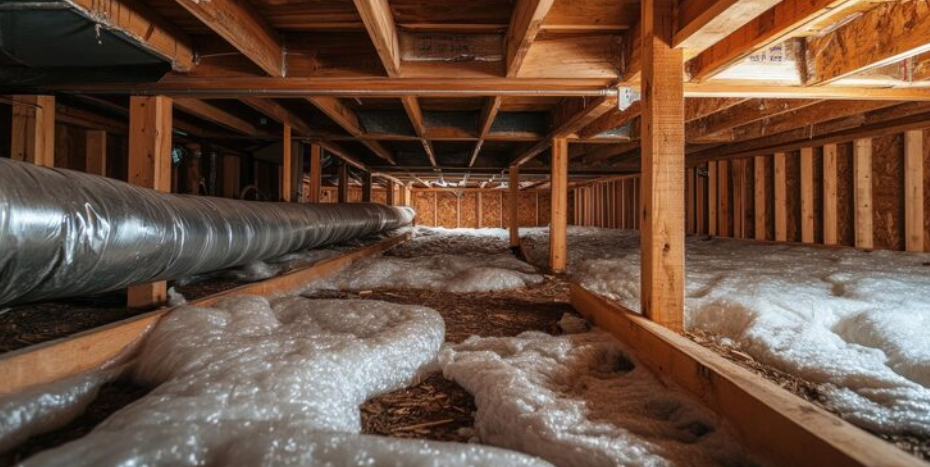
The crawl space is another important area that homeowners should not overlook. Moisture entering this space can create unpleasant odors, encourage mold growth, and affect indoor air quality. Crawl space encapsulation helps protect this area by covering exposed ground and sealing unwanted openings with suitable materials. This creates a barrier that limits moisture from entering the space.
A properly protected crawl space can also help reduce humidity and support better indoor conditions. Homeowners should consider checking for standing water, damaged insulation, and signs of moisture before beginning the process. Proper drainage and humidity control can further improve the results and help protect the home’s structure over time.
Roof Maintenance: Preventing Water Damage
A strong and well-maintained roof is essential for protecting a property from rain, wind, and other weather conditions. Damaged shingles, loose flashing, and blocked drainage areas can allow water to enter the home. Regular roof inspections help identify these problems before they become more serious.
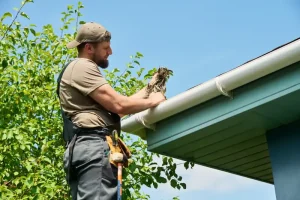
Cleaning gutters and downspouts is another useful maintenance task. When these systems become blocked, water may collect around the roof or foundation. Keeping them clear allows rainwater to move away from the property and reduces the risk of water damage.
Proper Ventilation: Supporting a Healthier Indoor Environment
Good ventilation helps maintain fresh indoor air and control excess humidity. Bathrooms, kitchens, and laundry areas often produce moisture that needs to escape. Installing suitable exhaust fans and keeping ventilation openings clear can help prevent damp conditions.
Homeowners should also replace air filters regularly and keep heating and cooling systems clean. These simple steps support better airflow and help maintain a pleasant indoor environment.
Foundation and Drainage: Keeping the Structure Secure
A stable foundation is important for the long-term safety of any home. Poor drainage can allow water to collect near the foundation, potentially leading to cracks and moisture problems. Homeowners should ensure that the ground slopes away from the property and that drainage systems work properly.
Regularly checking the foundation for visible cracks or signs of water entry can help identify concerns early. Addressing these issues promptly can prevent further damage and support the overall strength of the building.
Conclusion
Maintaining a comfortable and well-protected home requires attention to several important areas. Attic insulation, crawl space encapsulation, roof maintenance, proper ventilation, and effective drainage all contribute to a healthier and safer living environment. By taking preventive measures and addressing small problems early, homeowners can protect their property, improve indoor comfort, and support long-term energy efficiency. Regular maintenance is a practical way to keep a home in good condition throughout the year.